Dry sift · sifting over screens

Sift without damaging the trichomes.

Dry, cold material over finer and finer screens. No water, no solvent: what passes through the mesh is powdered resin.

Stainless screens from R$ 199.90 · ships anywhere in Brazil

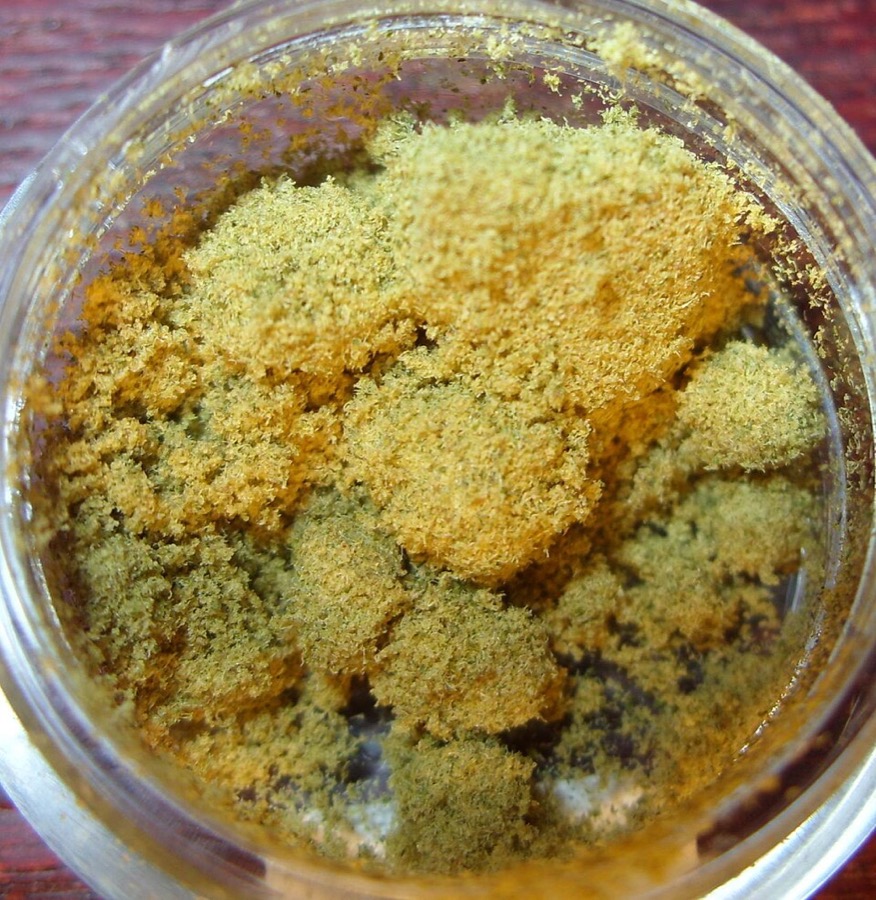
Golden kief seen from above inside a glass jar
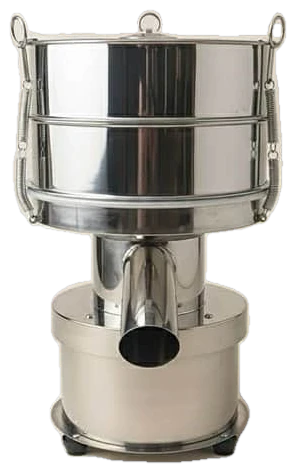
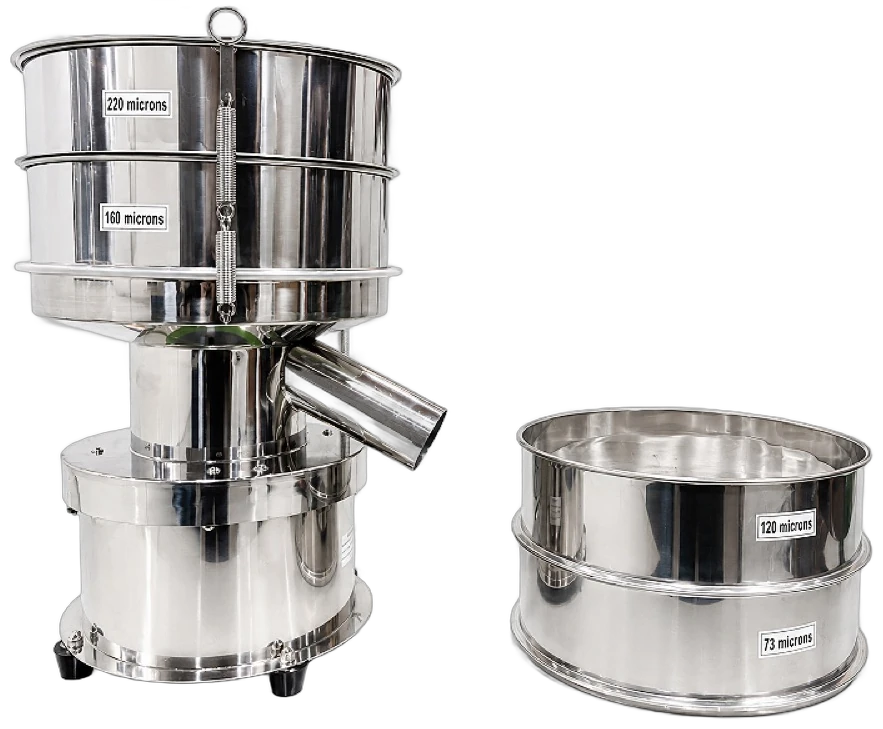
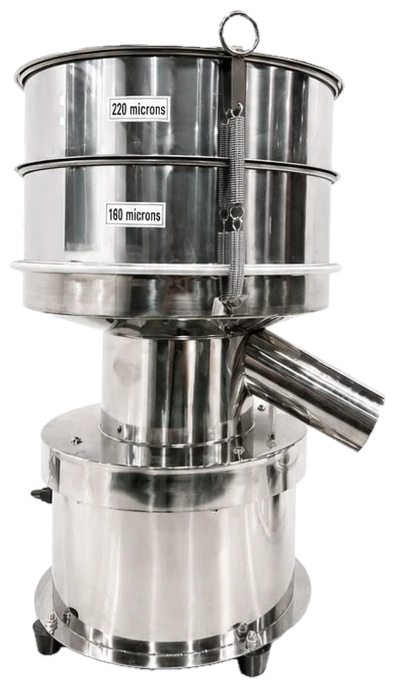
VibraHash S30, the 6 Stars vibrating sifter for dry sift, in stainless steel
VibraHash S30
Typical range
3 to 10%
technical reference
VibraHash screens
220u · 160u · 120u · 73u
catalog
Models
VibraHash S30 and S50 · 110V or 220V
catalog
Solvent
None — mesh and cold

On this page

Everything about Dry Sift, on one page.

The path explained start to finish and, right below it, the full guides — the same ones you open at the bench with wet hands. Click to jump straight to a part, or scroll and read it all in order.

sections on the path
8
full guides
2
min read
12

What it is

Dry sift is separating trichomes from the plant with nothing but mesh and motion. Dry, cold material passes over finer and finer screens, and what gets through is powdered resin — kief. No water, no solvent, no drying afterward. It's the shortest path between the material and the extract, and for that very reason the least forgiving of a heavy hand.

Who it's for

For anyone who wants to start today with little equipment, for anyone with dry trim and flower on hand, and for anyone who'll press rosin afterward. With a hand screen it's technique and patience; with the VibraHash it becomes a process: the same vibration, the same time, every run.

Difficulty
Easy to start, hard to master.
Investment
From a stainless screen to the vibrating sifter.
Quality ceiling
High with the right material and refining.

The path in one image

Dry Sift specs.

  1. 1

    Constant vibrationThe same motion, every run — that's what the machine standardizes.

  2. 2

    Coarse screen on topTakes out the bulk: leaf and stem stay behind.

  3. 3

    Fine screen belowThe refining: only the cleanest powder gets through.

  4. 4

    The kiefWhat made it through every screen.

Principle
Dry sifting: mesh, cold, and motion
Solvent
None
Material
Dry flower and trim, 8 to 12% moisture· technical reference
VibraHash screens
220u · 160u · 120u · 73u, stainless steel, 30 cm diameter (S30)· catalog
Tela Dry stainless screen
156u · 120u · 73u — medium 24 × 24 cm, large 50 × 30 cm· catalog
Trim Box
Double tray with a 150u stainless steel screen· catalog
Freezer
30 to 60 min before sifting· technical reference
VibraHash voltage
110V or 220V — not dual voltage· catalog
Result
Kief / dry sift — and a great input for rosin

How it's done

Six steps, and what decides each one.

  1. 01

    Dry the material to the right point

    Too dry, and the material crumbles leaf into the powder and contaminates it. Too moist, and it sticks to the mesh and won't pass. The right point is a stem that snaps while the flower is still springy — brittle, not crunchy.

    TipMaterial moisture reference: 8 to 12%. Separate flower from leaf first: the Sift Bag does it in minutes.

  2. 02

    Freeze before sifting

    30 to 60 minutes in the freezer make the trichome heads rigid: they break off whole instead of smearing and turning to paste on the mesh. It's the cheapest step in the process and the one that changes the result the most.

    TipWork in a cold, dry room. A warm room puts moisture back into the material within minutes.

    What goes in

    Just a freezer. And a cold room helps a lot.

  3. 03

    First pass, on the coarse mesh

    Start on the coarsest screen to take out the bulk. The motion is short: tap and slide. Never rub: rubbing breaks the trichome heads and pushes plant matter through the mesh — the powder comes out green and loses the melt.

    TipLight taps on the frame clear the mesh without forcing the material against it.

  4. 04
  5. 05
  6. 06

    Clean the mesh and store

    A clogged mesh changes the screen's real micron size. Clean during the process and thoroughly at the end. The powder goes into airtight glass, cold and dark: dry sift oxidizes faster than water hash because it has more exposed surface.

    TipStore each micron size in its own jar. Mixing at the end undoes all the refining.

The path by the numbers

What to measure, and what to expect.

The screens, from coarsest to finest

In dry sift the ladder works the opposite way from ice: what matters is what passes through. Each finer screen lets through less contaminant — and less volume.

  1. 220u

    Volume — Catches leaf and stem. What passes is still raw powder.

  2. 160u

    First cut — Takes the coarsest plant matter out of the powder. It's the screen that comes with the machine.

  3. 120u

    Workhorse — Large heads pass; a good share of the contaminant stays.

  4. 73u

    Refining — The cleanest powder in the sequence — where dry sift moves up a star.

where the best material usually ends upMicron sizes of the stainless steel screens in the VibraHash line. The Tela Dry stainless screen comes in 156u, 120u, and 73u; the Trim Box uses a 150u screen.

Typical yield range

Yield is the weight that comes out divided by the weight of the material that went in.

Typical reference range, not a promise: yield depends on the material, the genetics, and how the process is run. Each path has its own yardstick: you can't compare yields across processes.

Temperatures and times are starting points, not a recipe: adjust to your material and write down what changed.

What changes the result

Eight variables. Change one at a time.

Change two things in the same run and you won't know which one made the difference. Write down what changed: that's what turns a good run into a process you can repeat.

  1. 01

    Method: by hand, Trim Box, or vibrating sifter

    Sets how much of the result depends on your hand. The machine repeats; the hand varies.

    machine · ↑ repeatability

  2. 02

    Screens used and the micron size of each

    The sequence of screens is the process itself. Skipping a rung means accepting more contaminant in the next fraction.

    ↓ micron · ↑ purity · ↓ volume

  3. 03

    Sifting time

    The first minutes bring the best. From there on, every minute yields more powder and more green.

    ↑ time · ↑ yield · ↓ purity

  4. 04

    Frozen material and freezer time

    Rigid trichomes break off whole. Without cold, they smear, stick, and drag plant matter along.

    ↑ cold · ↑ purity

  5. 05

    Number of passes

    The first pass is the cleanest. Keeping each pass separate preserves what's best in it.

    1st pass · the cleanest

  6. 06

    Agitation

    Tapping and sliding frees trichomes; rubbing breaks their heads and forces leaf through the mesh.

    rubbing · ↓ purity

  7. 07

    Moisture of the material, humidity of the room

    Too dry crumbles apart, too moist clumps up. And the room gives the material back the moisture the freezer took out.

    right point · ↑ yield

  8. 08

    Yield per micron size

    Knowing how much the 73u screen yielded — not just the total — is what guides the next run.

    guides the next run

Common mistakes

Where the result gets lost.

  • Rubbing the material on the screen

    Breaks the trichome heads and pushes leaf through the mesh. The powder comes out green and doesn't melt.

  • Sifting moist or warm material

    The trichomes smear instead of breaking off, the mesh clumps up, and the yield plummets.

  • Passes that run too long

    The best comes out in the first minutes. Keeping at it only adds contaminant to what was already good.

  • Working with a clogged mesh

    A dirty screen has a smaller micron size than the label says. Clean during the process, not just at the end.

  • Lumping it all into one number

    “It yielded 8%” says little. “The 73u yielded 2%” says what to do on the next run.

The path to 6★

6★ dry sift is rare. And it's real.

Light, sand-colored powder, no trace of green, and it melts completely. It comes from resinous, frozen material, short passes, and refining on a fine screen. It isn't the result of every run — it's the result of repeating the same process until you find the sweet spot for your genetics, and that's where the machine helps.

  • Frozen material, cold room
  • First pass, kept short
  • Refined on 73u
  • Light powder, no green
The 1★ to 6★ scale
  1. Visible plant matter
  2. Barely melts
  3. Partial melt
  4. Melts well, leaves residue
  5. Almost full melt
  6. Full melt: melts completely

FAQ

Before you buy Dry Sift equipment.

Don't see your question? Message 6 Stars on WhatsApp.

Hand screen, Trim Box, or VibraHash?

The stainless screen is the starting point: low investment, and the result depends on your technique. The Trim Box combines trimming and extraction in the same tray, with a 150u screen and accessories included. The VibraHash is for anyone who wants to repeat the process to the same standard every run, at higher volume.

VibraHash S30 or S50?

The S30 uses 30 cm diameter screens and ships with 4 screens or with a single 160u screen. The S50 was built for a larger scale than the S30 and comes with a 160u screen. Both come in 110V or 220V — they aren't dual voltage, so check your voltage before ordering.

Which micron size should I buy first?

If you're buying just one screen, a middle micron size gives the best balance of volume and cleanliness. To work one screen at a time, the S30 3-screen kit — 220u, 120u, and 73u — covers bulk, everyday work, and refining.

Can dry sift be pressed into rosin?

It can, and very well. Refined dry sift in a fine bag is one of the best inputs for rosin: it yields far more than flower. The rosin path explains the bag micron sizes for each input.

Guide 1 of 2Main guide

Dry sift: peneirar sem machucar o tricoma

A extração mais simples de começar e a mais difícil de fazer bem: ponto da matéria, ordem das telas, passadas curtas e o refino que separa pó verde de sift dourado.

  • 7 min read
  • 7 steps in the walkthrough
  • 9 sections

01

Parâmetros de referência

Freezer antes de peneirar

30 a 60 min

matéria e tela

Primeira passada

1 a 3 min

leve — é a melhor fração

Passadas seguintes

3 a 5 min

separadas da primeira

Ponto da matéria
Seca e quebradiça: o galho estala, a flor ainda não vira pó
Sala
Fria e seca: abaixo de 18 °C e de 50 % de umidade
Ordem das telas
Da mais aberta para a mais fechada: 220u · 160u · 120u · 73u
Camada sobre a tela
Fina: dá para ver a malha entre a matéria
Faixa típica de rendimento

3 a 10 %

Dry sift é separar cabeça de tricoma de todo o resto usando só malha e movimento. Não tem água para perdoar erro: o que você esfregar contra a tela passa para o seu pó.

02

Antes de começar

0 of 8 ready

Equipamento
Matéria
VibraHash S30 com duas telas montadas e duas ao lado, cada uma com a etiqueta de micragem
VibraHash S30 vista de frente, com as etiquetas de 220u e 160u
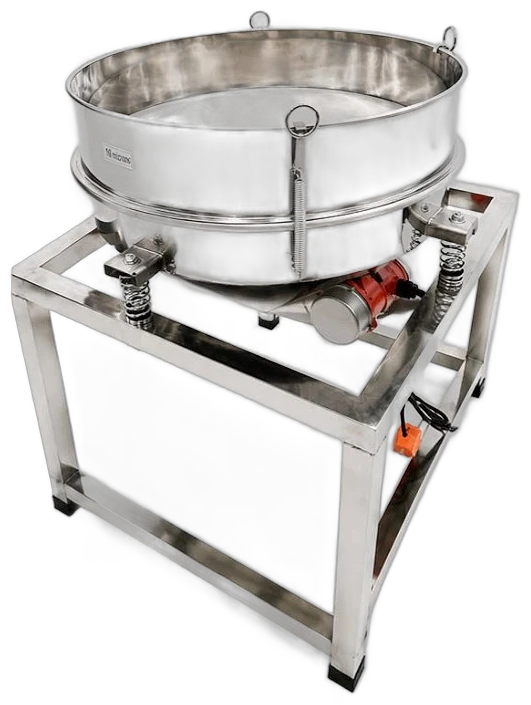
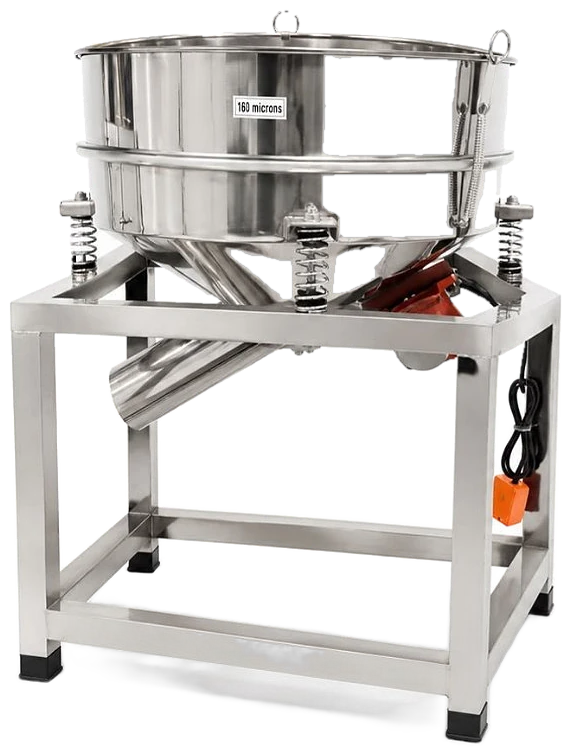
VibraHash S50 em ângulo alto, com a tela montada sobre a estrutura de inox
A VibraHash S30 com as etiquetas de micragem em cada tela, e a S50, de escala maior.

03

Passo a passo

  1. 01

    Congele a matéria e a tela

    • 30 a 60 min

    De 30 a 60 minutos de freezer deixam a cabeça do tricoma rígida: ela se solta inteira em vez de amassar e virar pasta na malha. Trabalhe em lotes pequenos e devolva o resto ao freezer — matéria que esquenta na bancada volta a ficar grudenta em minutos.

  2. 02

    Carregue a tela em camada fina

    Espalhe a matéria sobre a tela mais aberta sem fazer monte. Camada grossa obriga você a usar força, e força é exatamente o que contamina o sift.

  3. 03

    Primeira passada: leve e curta

    • 1 a 3 min

    De 1 a 3 minutos de movimento de bater e deslizar — a matéria quica na malha, não é arrastada contra ela. O pó que cai nesta passada é o mais limpo do run. Recolha com o cartão e guarde separado antes de continuar.

  4. 04

    Segunda e terceira passadas

    • 3 a 5 min

    Mais tempo (3 a 5 minutos) e um pouco mais de energia. O volume aumenta e a pureza cai: começa a descer pelo, pedaço de folha e cabeça quebrada. Colete cada passada em um pote próprio. Pare quando o pó novo sair visivelmente esverdeado.

  5. 05

    Refine na tela mais fechada

    • 120u
    • 73u

    Leve o pó da primeira passada para a tela de 120u e, depois, para a de 73u. Com o cartão, arraste o pó de um lado ao outro com toque de pena, sem pressionar.

    • O que passa pela 120u e fica retido na 73u é a fração nobre: cabeça de tricoma inteira
    • O que atravessa a 73u é pó fino — cabeça pequena, pedaço de haste, poeira vegetal. Guarde separado
    • O que ficou em cima da 120u é contaminante grosso: volta para o lote de prensa
  6. 06

    Pese cada fração

    • 73u

    Pese e identifique cada pote: tela, passada e peso. A pergunta que o refino responde é "quanto a 73u me deu desta matéria?" — e ela só tem resposta se as frações não forem somadas num número só.

  7. 07

    Guarde frio

    Vidro bem vedado, no escuro e gelado. Dry sift oxida mais rápido que hash de água porque tem muito mais superfície exposta ao ar.

04

Dicas de bancada

05

Erros comuns e como corrigir

  • Sintoma

    Pó verde desde a primeira passada

    Causa provável
    Matéria seca demais ou movimento de esfregar
    Como corrigir
    Reidrate levemente a matéria, congele e troque o gesto para bater e deslizar
  • Sintoma

    Nada passa pela tela

    Causa provável
    Matéria úmida ou sala úmida
    Como corrigir
    Seque mais a matéria, ligue o desumidificador, congele antes
  • Sintoma

    Malha entupida e brilhante

    Causa provável
    Resina esquentou e derreteu na tela
    Como corrigir
    Pare, congele tela e matéria, limpe com isopropílico e seque
  • Sintoma

    Sift com muito pelo e fiapo

    Causa provável
    Passada longa demais ou camada grossa
    Como corrigir
    Passadas mais curtas, camada mais fina, refino na 73u
  • Sintoma

    Rendimento abaixo da faixa

    Causa provável
    Matéria com pouca resina ou colhida cedo
    Como corrigir
    Compare com outra matéria antes de mudar o método

06

Como avaliar o resultado

Olhe primeiro, teste depois. Sift limpo é areia clara, de dourado a bege, que se solta sozinha; sift contaminado é verde, opaco e com fiapos. Uma lupa de 30x ou mais mostra o que o olho não vê: cabeças redondas e inteiras, ou um campo de hastes e folha.

  1. 6★Full melt
    Aparência
    Areia dourada, só cabeças, nada de verde
    No calor
    Full melt: derrete por completo, sem resíduo
  2. 5★
    Aparência
    Dourado claro, raro contaminante na lupa
    No calor
    Derrete quase todo
  3. 4★
    Aparência
    Bege, algum pelo e haste
    No calor
    Meio melt, resíduo visível
  4. 3★
    Aparência
    Bege-esverdeado
    No calor
    Borbulha pouco — ótimo para prensar
  5. 1★ a 2★
    Aparência
    Verde, opaco, com fiapo
    No calor
    Não derrete: prensa ou uso culinário
Dry sift dourado dentro de um pote de vidro, visto de cima
Sift dourado, solto como areia: o aspecto que se procura.

07

Armazenamento e cura

Guarde cada fração no próprio pote de vidro, identificado, em geladeira ou freezer. Para o uso do dia a dia, deixe o pote voltar à temperatura ambiente ainda fechado antes de abrir: pote gelado aberto em ar úmido condensa água direto no seu sift. Quem vai prensar pode levar o sift para a bag de rosin sem cura nenhuma.

08

Perguntas de bancada

Dá para fazer dry sift com matéria fresca?

Não. Matéria úmida gruda na malha e não solta tricoma. Dry sift pede matéria curada e bem seca; para matéria fresca congelada, o caminho é o ice.

Por que congelar, se a matéria já está seca?

Porque seca não é o mesmo que rígida. Em temperatura ambiente a cabeça de resina é pegajosa e amassa contra a tela; gelada, ela vira uma esfera dura que se solta inteira e atravessa a malha sem sujar nada.

Qual tela eu compro primeiro?

Uma tela para a passada principal e outra para o refino. Na linha 6 Stars isso é a Tela Dry de 156u ou de 120u para peneirar, e a de 73u para refinar. Quem quer tudo em uma peça só começa pela Trim Box, que já traz tela de 150u, bandeja coletora, cartão e pincel.

Tela, Trim Box ou máquina?

É uma questão de volume e de repetição. Tela e Trim Box resolvem lotes pequenos e ensinam o gesto. A partir do momento em que você peneira com frequência — ou quer comparar um run com o outro —, a vibração constante da máquina passa a fazer diferença.

09

O que registrar

  • Matéria: tipo, genética e peso de entrada
  • Método: tela manual, Trim Box ou máquina vibratória
  • Quais telas entraram e em que ordem
  • Se a matéria foi congelada e por quantos minutos
  • Número de passadas, tempo de cada uma e a intensidade da agitação
  • Peso de cada fração, por tela e por passada
  • Peso final, estrelas de cada fração, temperatura e umidade da sala

Guide 2 of 2Companion guide

Dry sift na máquina vibratória: da carga à coleta

O que muda quando a vibração é constante: montagem das telas por andar, carga em camada fina, ciclos curtos e limpeza — para que dois runs sejam, enfim, comparáveis.

  • 5 min read
  • 7 steps in the walkthrough
  • 7 sections

01

Parâmetros de referência

Tensão

110 V ou 220 V

a VibraHash não é bivolt

Freezer antes de carregar

30 a 60 min

com a matéria já seca

Primeiro ciclo

1 a 3 min

a melhor fração

Ciclos seguintes

3 a 5 min

coletados em separado

Telas da S30
Aço inox, 30 cm de diâmetro — as quatro telas que acompanham a máquina vão de 220u a 73u
Ordem dos andares
Da mais aberta, em cima, para a mais fechada, embaixo
Carga
Camada fina: a malha aparece entre a matéria
Faixa típica de rendimento

3 a 10 %

Na tela manual, cada run depende da mão de quem peneirou. A máquina vibratória tira essa variável da conta: mesma frequência, mesmo movimento, do primeiro ao último minuto. O ganho não é só velocidade — é poder comparar dois runs e saber que a diferença veio da matéria, não do operador.

02

Antes de começar

0 of 9 ready

Equipamento
Matéria
VibraHash S30 com duas telas montadas e duas ao lado, cada uma com a etiqueta de micragem
VibraHash S50 sobre a estrutura de inox, vista de frente
VibraHash S30 vista de frente, com a saída lateral do coletor
A S30 com as telas identificadas por etiqueta, e a S50 sobre a estrutura de inox.

03

Passo a passo

  1. 01

    Confira a tensão e nivele a máquina

    110 V ou 220 V, conforme a versão comprada — não há chave seletora. Máquina nivelada distribui a matéria por toda a tela em vez de empurrá-la para um lado.

  2. 02

    Monte os andares

    • 73u

    Telas empilhadas da mais aberta, em cima, para a mais fechada, embaixo, com o coletor no fim. Cada andar entrega uma fração: o que passou pela tela de cima e ficou retido na de baixo — até o que atravessou a última, de 73u. As etiquetas de micragem vêm coladas em cada tela: confira a ordem por elas.

  3. 03

    Carregue em camada fina

    Espalhe a matéria congelada sobre a tela de cima sem fazer monte. Na vibratória vale a mesma regra da tela manual: camada grossa esmaga a matéria de baixo e empurra folha pela malha.

  4. 04

    Primeiro ciclo curto

    • 1 a 3 min

    Ligue por 1 a 3 minutos e desligue. Abra, colete cada andar em separado com o cartão e guarde. Este primeiro ciclo é o mais limpo do run — não o misture com os seguintes.

  5. 05

    Ciclos seguintes

    • 3 a 5 min

    Repita com 3 a 5 minutos por ciclo. Observe a cor do que cai: enquanto sai dourado, continue; quando esverdear, a matéria já entregou a resina e começou a entregar folha.

  6. 06

    Refine o que vale a pena

    • 120u
    • 73u

    A fração retida entre 120u e 73u do primeiro ciclo é a candidata a full melt. Se ainda houver contaminante na lupa, passe só ela de novo pela 73u, em ciclo curto.

  7. 07

    Limpe a seco

    Máquina desligada e fora da tomada. Pincel seco nas telas e no coletor; resíduo colado sai com álcool isopropílico — e a tela só volta ao trabalho completamente seca. Tela úmida entope no primeiro minuto.

04

Dicas de bancada

05

Erros comuns e como corrigir

  • Sintoma

    Máquina não liga ou esquenta

    Causa provável
    Tensão errada
    Como corrigir
    Confira 110 V ou 220 V antes de tudo — não é bivolt
  • Sintoma

    Sift verde

    Causa provável
    Ciclo longo demais ou carga grossa
    Como corrigir
    Ciclos de 1 a 3 min no início e camada fina
  • Sintoma

    Matéria acumula em um lado

    Causa provável
    Máquina desnivelada
    Como corrigir
    Nivele a bancada
  • Sintoma

    Malha entope

    Causa provável
    Matéria úmida, sala úmida ou tela guardada molhada
    Como corrigir
    Seque, congele, desumidifique; tela sempre seca
  • Sintoma

    Frações misturadas

    Causa provável
    Andares coletados juntos
    Como corrigir
    Um pote por andar e por ciclo

06

Como avaliar o resultado

  1. 6★Full melt
    Aparência
    Areia dourada, só cabeças na lupa
    No calor
    Full melt, sem resíduo
  2. 5★
    Aparência
    Dourado claro, raro contaminante
    No calor
    Derrete quase todo
  3. 4★
    Aparência
    Bege, algum pelo e haste
    No calor
    Meio melt
  4. 3★
    Aparência
    Bege-esverdeado
    No calor
    Borbulha pouco — fração de prensa
  5. 1★ a 2★
    Aparência
    Verde, opaco
    No calor
    Não derrete

07

O que registrar

  • Máquina e versão, e quais telas entraram em cada andar
  • Peso da carga e se a matéria foi congelada, por quantos minutos
  • Número de ciclos e o tempo de cada um
  • Peso de cada fração, por andar e por ciclo
  • Estrelas de cada fração, temperatura e umidade da sala

The five paths, side by side

Each process needs its own equipment.

Solvent, material, pace, and profile for each one. Yield is left out of the table on purpose: each path has its own yardstick.

  • Ice
    Difficulty
    Investment
    Quality ceiling
    Solvent
    None
    Material
    Fresh frozen or cured
    Pace
    Hours of washing, days of drying
  • Dry Sift
    Difficulty
    Investment
    Quality ceiling
    Solvent
    None
    Material
    Dry flower and trim
    Pace
    Minutes per pass
  • Dry Ice
    Difficulty
    Investment
    Quality ceiling
    Solvent
    None
    Material
    Dry trim and flower, in volume
    Pace
    About 15 minutes
  • Rosin
    Difficulty
    Investment
    Quality ceiling
    Solvent
    None
    Material
    Flower, hash, dry sift, or kief
    Pace
    Minutes per press
  • BHO
    Difficulty
    Investment
    Quality ceiling
    Solvent
    Butane (flammable)
    Material
    Dry flower and trim, or fresh frozen
    Pace
    Fast extraction, 24 h or more of purge

Build your Dry Sift setup.

Go straight to the store, or message 6 Stars on WhatsApp to pick the right model and size the kit. Ships anywhere in Brazil.

Extraction photos, cropped and edited: “Kief (yellow)” by Mjpresson (CC BY 3.0), via Wikimedia Commons.

Dry sift: how to sift, screens, and VibraHash · 6 Stars Extract