Rosin · heat and pressure

Heat, pressure, and time.

The material goes into a filter bag, between two heated plates. Pressure pushes the resin through the mesh and onto the paper — with no solvent at all.

Filter bags from R$ 30.00 · ships anywhere in Brazil

Typical range
12 to 25% from flower · 55 to 80% from hash
technical reference
Filter bags
220u to 90u for flower · 37u and 25u for hash
catalog
Bag sizes
5 × 11.4 cm · 3.5 × 8 cm
catalog
Solvent
None — heat and pressure

On this page

Everything about Rosin, on one page.

The path explained start to finish and, right below it, the full guides — the same ones you open at the bench with wet hands. Click to jump straight to a part, or scroll and read it all in order.

sections on the path
8
full guides
2
min read
14

What it is

Rosin is squeezed resin. The material goes inside a nylon filter bag, between two heated plates, and pressure pushes the oil through the mesh and out onto the parchment paper. No solvent at all — just heat, pressure, and time. The quality of what goes in decides almost everything: the press doesn't improve the material, it only concentrates it.

Who it's for

For anyone who wants finished extract in minutes, solventless, and for anyone already doing ice or dry sift who wants to take the next step: hash rosin is the top of the solventless chain. Flower presses well and yields less; hash and dry sift yield far more, in a finer bag.

Difficulty
Three variables — and a bag that has to be the right one.
Investment
The press is the big ticket; the consumables aren't.
Quality ceiling
Hash rosin is top-shelf.

The path in one image

Rosin specs.

  1. 1

    Gradual pressureBuilds gradually — all at once, the bag blows out.

  2. 2

    Heated platesCooler keeps terpenes; hotter yields more.

  3. 3

    The filter bagThe micron size sets the extract's cleanliness ceiling.

  4. 4

    The resinRuns onto the parchment paper, where it's cold collected.

Principle
Heat and pressure squeeze the resin through the mesh
Solvent
None
Input
Flower, hash, dry sift, or kief
Filter bags
220u · 160u · 120u · 90u for flower — 37u · 25u for hash· catalog
Bag sizes
5 × 11.4 cm (standard) and 3.5 × 8 cm · food-grade nylon, double-stitched· catalog
Plates — flower
190–210 °F (88 to 99 °C) · 45 to 90 s· technical reference
Plates — hash
160–190 °F (71 to 88 °C) · 60 to 180 s· technical reference
Paper
Dover parchment paper, 3 m × 30 cm roll· catalog
Cure
Cold cure, room-temperature cure, or whipping
Result
Rosin — from flower, or hash rosin

How it's done

Seven steps, and what decides each one.

  1. 01
  2. 02

    Choose the filter bag

    The bag sets the ceiling. Too coarse a mesh lets plant matter through, and the extract darkens; too fine holds resin inside. For flower, 220u to 90u meshes. For hash and dry sift, 37u and 25u — the input is already concentrated, the bag only holds back what's left.

    TipSize the bag to the puck. Extra fabric becomes a path for resin to escape where you aren't collecting.

  3. 03

    Fill and pre-press

    Bag filled evenly, no air pockets and no bulging. Pre-pressing — shaping the material into a puck before it goes to the heat — improves resin flow and shortens the press time.

    TipFold the mouth of the bag under the puck. Seam and opening shouldn't face the front of the plate.

    What goes in

    A pre-press mold, or the press itself while still cold.

  4. 04

    Wrap in parchment paper

    The bag goes inside a folded sheet of parchment paper, with extra at the front: that's where the resin runs to. Regular wax paper won't work — it sticks and tears under heat and pressure.

    TipLeave plenty of paper past the puck. Resin that touches the plate is resin lost.

  5. 05

    Press: temperature, pressure, time

    Low temperature preserves terpenes and delivers light color; high yields more, darker and runnier. Bring the pressure up gradually, feeling the material give — full pressure all at once blows out the bag. Time's up when the resin stops flowing.

    TipThere's no right temperature: there's the one that matches what you want. And it needs to be written down.

    What goes in

    The press: heated plates, with temperature and pressure control.

  6. 06

    Cold collect

    Hot resin is liquid and sticks to everything. Let the paper cool — a cold surface speeds it up — and gather it with a stainless spatula. The second press, hotter and longer, yields more and is worth less: keep it separate.

    TipFirst and second press in different jars. Combining the two drags the quality down.

  7. 07

    Cure and store

    Cold cure: closed jar, in the cold, to stabilize texture and aroma. Or a room-temperature cure, which changes the terpene profile over time. Whipping — beating the extract while warm — leads to a badder texture. The same press, cured differently, becomes a different extract.

    TipAfter curing, always store at low temperature: that's what keeps aroma and freshness.

The path by the numbers

What to measure, and what to expect.

The filter bag micron size

Six meshes in the Premium line. The rule: the more concentrated the input, the finer the bag.

  1. 220u

    Flower — The coarsest mesh in the line: maximum flow.

  2. 160u

    Flower — High flow, with a bit more filtering.

  3. 120u

    Flower — Balance between yield and cleanliness.

  4. 90u

    Flower — The finest recommended for flower: cleaner extract.

  5. 37u

    Hash — For hash, dry sift, and kief.

  6. 25u

    Hash — The finest in the line: only resin gets through.

where the best material usually ends upMicron sizes and recommendations (flower or hash) per the packaging of the 6 Stars Premium Filter Bags.

Typical yield range

Yield is the weight that comes out divided by the weight of the material that went in. Two scales here, because there are two materials — you can't read one against the other.

Typical reference range, not a promise: yield depends on the material, the genetics, and how the process is run. Each path has its own yardstick: you can't compare yields across processes.

Temperatures and times are starting points, not a recipe: adjust to your material and write down what changed.

What changes the result

Nine variables. Change one at a time.

Change two things in the same run and you won't know which one made the difference. Write down what changed: that's what turns a good run into a process you can repeat.

  1. 01

    Input: flower, hash, dry sift, or kief

    Decides the bag, the temperature, and the yield scale. Flower and hash aren't comparable — they're two processes with the same name.

    changes bag, heat, and scale

  2. 02

    Press and tonnage

    Available force and plate area define how much material fits per press and how much pressure actually reaches the bag.

    sets the load per press

  3. 03

    Applied pressure

    Gradual, and the resin flows. All at once, and the bag blows out and plant matter goes onto the paper with it.

    all at once · blows the bag

  4. 04

    Plate temperature

    The most direct dial between quality and yield: cooler, more terpenes; hotter, more volume.

    ↑ heat · ↑ yield · ↓ terpenes

  5. 05

    Press time

    Once the resin stops flowing, extra time only cooks what already came out.

    past the flow · just cooks

  6. 06

    Bag micron size and dimensions

    The wrong mesh throws yield away or lets contaminants through. A bag that's too big opens a path for resin to leak out.

    ↓ micron · ↑ cleanliness

  7. 07

    Pre-pressing

    Evenly packed material gets even pressure. Without it, the resin takes the easy way out and part of the material never gets pressed.

    ↑ flow · ↓ press time

  8. 08

    Number of presses

    The first brings the best; the second brings the rest. Keeping the two separate means logging two results, not one.

    1st press · the best

  9. 09

    Whipping, cure, and consistency

    After the press, the process isn't over: the same resin becomes badder, budder, or stays translucent depending on the cure.

    same resin · different texture

What 6 Stars makes for Rosin

The rosin kit.

Everything that touches the resin — and what makes the hash that goes into the press.

see the full line in the store →

Common mistakes

Where the result gets lost.

  • Wrong bag for the input

    A coarse mesh with hash lets contaminants through; a fine mesh with flower holds resin inside. The right bag is half the process.

  • Full pressure all at once

    The bag blows out and plant matter goes onto the paper along with the resin. Pressure builds gradually.

  • Cranking the heat for more yield

    It yields more, and it costs terpenes, color, and texture. The gain in grams rarely makes up for the loss in quality.

  • Bag larger than the puck

    Extra fabric creates a path for the resin to escape out the side and stay on the plate.

  • Collecting while still hot

    Liquid resin spreads, sticks to the spatula, and stays on the paper. Cold first; spatula after.

  • Combining the first press with the second

    The second is darker and less aromatic. In the same jar, it sets the quality of the whole.

The path to 6★

Hash rosin: the top of solventless.

The press doesn't create quality — it concentrates what went in. 6★ rosin starts with a hash that was already full melt, goes into a fine bag, gets cooler plates and gradual pressure, and ends with a well-run cure. If you want the best rosin, start by making the best ice.

  • Input: full melt hash
  • 37u or 25u bag
  • Cooler plates, gradual pressure
  • First press, kept separate
The 1★ to 6★ scale
  1. Visible plant matter
  2. Barely melts
  3. Partial melt
  4. Melts well, leaves residue
  5. Almost full melt
  6. Full melt: melts completely

FAQ

Before you buy Rosin equipment.

Don't see your question? Message 6 Stars on WhatsApp.

Which bag micron size for flower and for hash?

In the Premium Filter Bags line, the 220u, 160u, 120u, and 90u meshes are the ones recommended for flower; the 37u and 25u, for hash. For flower, 120u and 90u are the most common middle ground between yield and cleanliness.

What bag size do I use?

The filter bags come in two sizes: 5 × 11.4 cm (the standard) and 3.5 × 8 cm. The bag should be the size of the puck and fit entirely within the plate area, with room at the edges.

Is Dover wax paper?

No. It's parchment paper, and the difference matters: it doesn't stick and it withstands heat and pressure without tearing or shedding residue. Each roll is 3 m × 30 cm.

Flower or hash: which yields more?

As a percentage, hash yields far more — the typical range runs from 55 to 80%, against 12 to 25% for flower. But the two aren't comparable: the hash already went through one extraction, and that yield counts too.

Guide 1 of 2Main guide

Rosin: calor, pressão e tempo

As três variáveis da prensa, e por que a bag errada joga metade do rendimento fora: micragem por input, temperatura de placa, pressão progressiva e cura.

  • 8 min read
  • 9 steps in the walkthrough
  • 10 sections

01

Parâmetros de referência

  • Flor

    Micragem da bag
    90 a 120u
    Placa
    88 a 99 °C
    Tempo
    45 a 90 s
    Faixa típica de rendimento
    12 a 25 %
  • Hash

    Micragem da bag
    25 a 37u
    Placa
    71 a 88 °C
    Tempo
    60 a 180 s
    Faixa típica de rendimento
    55 a 80 %
  • Dry sift e kief

    Micragem da bag
    37 a 90u
    Placa
    76 a 90 °C
    Tempo
    60 a 120 s
    Faixa típica de rendimento
    Depende da limpeza do sift

Rosin não tem solvente nem água: é calor para amolecer a resina, pressão para expulsá-la e tempo para deixá-la escorrer. As três variáveis se compensam — placa mais fria pede mais tempo, bag mais fechada pede mais paciência — e por isso todo run precisa das três anotadas.

02

Antes de começar

0 of 7 ready

Equipamento
Matéria
Filter bag 6 Stars de nylon food grade, vista de frente
Filter bag 6 Stars de nylon, com a costura dupla aparente
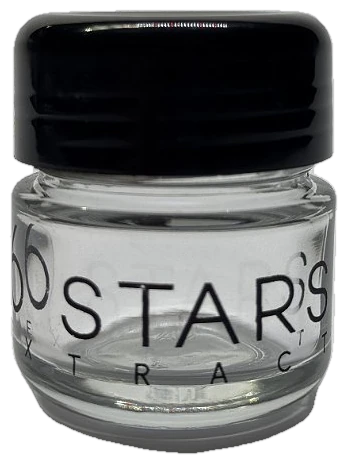
Glass Jar 6 Stars de 33 ml, o pote em que o rosin cura
A filter bag de nylon com costura dupla, e o pote de vidro em que o rosin cura.

03

Passo a passo

  1. 01

    Escolha a bag pelo input

    • 90 a 120u
    • 25 a 37u

    Bag aberta demais deixa passar material vegetal e o extrato escurece. Bag fechada demais segura resina dentro. Para flor, 90 a 120u; para hash, 25 a 37u — o hash já é um concentrado, a bag só segura o pouco que sobrou de contaminante. Use a bag do tamanho do prensado: sobra de tecido vira caminho por onde a resina escapa sem ser coletada.

  2. 02

    Carregue sem folga

    Encha a bag de forma uniforme, cantos incluídos, sem estufar. Bolsa de ar estoura a bag; excesso de matéria também. Dobre a boca para baixo do pacote.

  3. 03

    Pré-prense

    Forme uma placa compacta e de espessura igual antes de levar ao calor. A pré-prensagem melhora o fluxo da resina, reduz o tempo de placa e é a melhor defesa contra bag estourada.

  4. 04

    Monte o papel

    Dobre o papel antiaderente ao meio com a bag no centro, deixando bastante papel à frente: é para lá que o óleo corre. Papel curto é resina escorrendo para a placa.

  5. 05

    Aqueça e estabilize as placas

    • 5 min

    Ligue, ajuste a temperatura e espere pelo menos 5 minutos depois de a placa chegar ao valor. O visor mostra o sensor, não a superfície: se tiver termômetro infravermelho, confira as duas placas.

  6. 06

    Encoste, espere e só então aperte

    • 10 a 20 s
    • 30 a 60 s

    Feche as placas até encostarem no pacote, sem pressão, e conte de 10 a 20 segundos: a matéria aquece e a resina amolece. Depois suba a pressão aos poucos, ao longo de 30 a 60 segundos, sentindo o material ceder. Pressão total de uma vez estoura a bag e mistura tudo. Segure até o fluxo de óleo parar.

  7. 07

    Colete no frio

    Abra, tire o papel e leve-o por um minuto a uma superfície fria. Resina fria solta do papel inteira; resina morna gruda na espátula e fica no caminho. Colete com a espátula de inox e pese.

  8. 08

    Segunda prensada, se valer a pena

    • 5 a 10 °C

    Uma segunda prensada, de 5 a 10 °C mais quente e mais longa, traz mais rendimento e menos qualidade. Guarde em pote separado e anote como outra fração — nunca como um número só.

  9. 09

    Cure

    • 24 a 72 h
    • Cold cure: pote de vidro bem fechado, em temperatura baixa e estável, de 24 a 72 h. A textura muda, o aroma estabiliza
    • Cura em temperatura ambiente: o mesmo pote vedado fora da geladeira — muda o perfil aromático ao longo dos dias e pede mais atenção à oxidação
    • Whipping: bater o extrato morno com a espátula até virar badder

    Anote qual usou: a mesma prensagem com cura diferente entrega produtos diferentes.

04

Pressão: a conta que ninguém faz

A tonelagem da prensa não diz nada sozinha. O que chega à resina é a força dividida pela área da bag: pressão na bag = força da prensa ÷ área do pacote. Uma prensa de 2 toneladas sobre uma bag de 5 × 11,4 cm (57 cm²) entrega cerca de 500 psi; a mesma prensa sobre um pacote com metade da área entrega o dobro. Flor trabalha bem entre 600 e 1.000 psi; hash pede menos, de 300 a 700 psi. Mais pressão que isso não traz mais resina — traz cera, clorofila e bag estourada.

05

Dicas de bancada

06

Erros comuns e como corrigir

  • Sintoma

    Bag estourou

    Causa provável
    Pressão súbita, bag estufada ou sem pré-prensa
    Como corrigir
    Pré-prense, encha menos e suba a pressão em 30 a 60 s
  • Sintoma

    Rosin escuro

    Causa provável
    Placa quente demais, tempo longo ou matéria velha
    Como corrigir
    Baixe de 5 em 5 °C e reduza o tempo
  • Sintoma

    Chiado e respingo na placa

    Causa provável
    Umidade na matéria
    Como corrigir
    Seque melhor o hash; flor acima de 65 % de umidade também chia
  • Sintoma

    Rendimento baixo em flor

    Causa provável
    Flor seca demais ou bag fechada demais
    Como corrigir
    Reidrate a flor para 58 a 65 % e use 90 a 120u
  • Sintoma

    Extrato com material vegetal

    Causa provável
    Bag aberta demais ou pressão excessiva
    Como corrigir
    Feche a micragem e alivie a pressão
  • Sintoma

    Resina ficou na placa

    Causa provável
    Papel curto
    Como corrigir
    Deixe mais papel à frente da bag

07

Como avaliar o resultado

  1. 6★The top of the scale
    Cor e aspecto
    Claro, do quase branco ao dourado, limpo e homogêneo
    Aroma e queima
    Aroma intenso e fiel à matéria; derrete sem deixar resíduo
  2. 5★
    Cor e aspecto
    Dourado, sem partícula visível
    Aroma e queima
    Aroma forte; resíduo mínimo
  3. 4★
    Cor e aspecto
    Âmbar
    Aroma e queima
    Aroma presente; resíduo leve
  4. 3★
    Cor e aspecto
    Âmbar escuro
    Aroma e queima
    Aroma apagado; resíduo visível
  5. 1★ a 2★
    Cor e aspecto
    Marrom, com partículas
    Aroma e queima
    Gosto vegetal ou queimado

É uma régua de bancada para comparar os seus próprios runs — a mesma matéria prensada em duas temperaturas costuma mudar uma estrela inteira.

08

Cura e armazenamento

Pote de vidro pequeno, bem vedado, com pouco ar sobrando. Frio e escuro sempre: geladeira para o consumo das próximas semanas, freezer para guardar por mais tempo. Tire do frio e espere o pote voltar à temperatura ambiente antes de abrir — assim a umidade do ar não condensa dentro dele.

09

Perguntas de bancada

Que tonelagem de prensa eu preciso?

Menos do que o anúncio sugere. O que importa é a pressão que chega à bag, e ela depende da área do pacote: uma prensa pequena com uma bag pequena entrega a mesma pressão que uma prensa grande com uma bag grande. Faça a conta da sua antes de trocar de equipamento.

Papel manteiga serve?

Não conte com isso. Use papel antiaderente de verdade: o Dover Assa+Leve — que, como o próprio fabricante avisa, não é papel manteiga — aguenta a temperatura de placa e solta a resina inteira na coleta.

Posso prensar flor recém-seca?

Pode, se a umidade estiver entre 58 e 65 %. Flor seca demais reabsorve o próprio óleo e o rendimento despenca; úmida demais, chia na placa e escurece o extrato. Alguns dias em pote com controle de umidade resolvem os dois casos.

Por que o rosin escureceu no pote?

Calor, luz e oxigênio. Rosin é resina sem proteção nenhuma: pote pequeno e cheio, bem vedado, no frio e no escuro. Fora da geladeira ele escurece e perde aroma em semanas.

10

O que registrar

  • Input: flor, hash, dry sift ou kief — com genética e peso de entrada
  • Prensa e tonelagem, e a pressão aplicada
  • Temperatura das placas e tempo de prensagem, em segundos
  • Micragem e tamanho da bag
  • Se houve pré-prensagem e quantas prensadas foram feitas
  • Whipping ou cura: qual, por quanto tempo e em que temperatura
  • Consistência final, peso de saída de cada prensada e estrelas

Guide 2 of 2Companion guide

Rosin de hash ou rosin de flor: o que muda na prensa

Mesma prensa, dois produtos. Micragem da bag, temperatura, pressão e faixa de rendimento de cada input — e a conta que mostra quando vale a pena lavar antes de prensar.

  • 6 min read
  • 9 steps in the walkthrough
  • 10 sections

01

Parâmetros de referência

  • Micragem da bag

    Rosin de flor
    90 a 120u
    Rosin de hash
    25 a 37u
  • Temperatura de placa

    Rosin de flor
    88 a 99 °C
    Rosin de hash
    71 a 88 °C
  • Tempo de placa

    Rosin de flor
    45 a 90 s
    Rosin de hash
    60 a 180 s
  • Pressão na bag

    Rosin de flor
    600 a 1.000 psi
    Rosin de hash
    300 a 700 psi
  • Preparo da matéria

    Rosin de flor
    58 a 65 % de umidade
    Rosin de hash
    Completamente seco
  • Faixa típica de rendimento

    Rosin de flor
    12 a 25 %
    Rosin de hash
    55 a 80 %
  • Resultado

    Rosin de flor
    Mais volume, mais cera e lipídio
    Rosin de hash
    Mais claro, mais aroma, menos volume
Filter bag 6 Stars de nylon food grade, vista de frente
Filter bag 6 Stars de nylon, com a costura dupla aparente
A mesma filter bag de nylon muda de micragem conforme o input: 120u para flor, 37u para extrato.

02

Por que são dois produtos

Rosin de flor é uma extração só: calor e pressão tiram a resina direto da planta, e um pouco de cera, lipídio e pigmento vem junto. Rosin de hash são duas: primeiro a água (ou a tela) separa a cabeça do tricoma de todo o material vegetal, depois a prensa só termina o serviço. O que entra na bag já é concentrado — por isso sai mais claro, mais aromático e pede muito menos força.

03

A conta que decide

Use as faixas típicas como régua, nunca como promessa. Partindo de 100 g de matéria curada:

  • Flor direto na prensa

    Etapas
    12 a 25 %
    Saída estimada
    12 a 25 g de rosin
  • Ice e depois prensa

    Etapas
    4 a 12 % de hash · 55 a 80 % na prensa
    Saída estimada
    2,2 a 9,6 g de rosin

O rosin de flor rende mais em peso. O de hash rende menos e entrega outro patamar de qualidade — e sobra a opção de não prensar a fração 5★ e 6★, que já é produto final. A decisão é de destino, não de certo e errado: volume para o dia a dia, ou o melhor que aquela matéria consegue dar.

04

Rosin de flor, passo a passo

  1. 01

    Acerte a umidade

    • 58 a 65 %

    Flor entre 58 e 65 % de umidade relativa. Seca demais, ela reabsorve o óleo como esponja; úmida demais, o extrato chia e escurece.

  2. 02

    Bag de 90 a 120u

    • 90 a 120u

    É a faixa que segura o material vegetal sem prender a resina. A Filter Bag 6 Stars para flor é a de 120u.

  3. 03

    Pré-prense firme

    Flor é elástica e cheia de ar. A pré-prensa transforma o pacote em uma placa densa e evita que a bag estoure quando a pressão subir.

  4. 04

    Placa de 88 a 99 °C, 45 a 90 s

    • 88 a 99 °C
    • 45 a 90 s
    • 10 a 20 s

    Encoste as placas de 10 a 20 segundos, suba a pressão aos poucos e segure até o fluxo parar. Comece pelo lado frio da faixa e só esquente se o rendimento pedir.

05

Rosin de hash, passo a passo

  1. 01

    Hash seco de verdade

    Qualquer resto de água vira vapor na placa. Se o hash ainda empelota ao ser apertado frio, ele volta para a secagem — não vai para a bag.

  2. 02

    Bag de 25 a 37u, em dobro

    • 25 a 37u

    Malha fechada, porque o que sobrou de contaminante no hash é fino. Vista uma bag dentro da outra: hash amolece e vira líquido dentro do pacote, e a segunda camada segura o estouro. A Filter Bag 6 Stars para extrato é a de 37u.

  3. 03

    Pré-prensa leve

    Só o bastante para dar forma. Hash não tem ar para expulsar — apertar demais antes da hora entope a malha por dentro.

  4. 04

    Placa de 71 a 88 °C, 60 a 180 s

    • 71 a 88 °C
    • 60 a 180 s

    Temperatura mais baixa, tempo mais longo e pressão subindo bem devagar. O hash precisa de tempo para derreter por inteiro antes de a força entrar; com pressa, ele estoura a bag em vez de atravessá-la.

  5. 05

    Que hash prensar

    As frações 3★ e 4★ são as que mais ganham com a prensa: não derretem limpas sozinhas, mas viram rosin excelente. Full melt 5★ e 6★ já é produto final — prensar é opção, não necessidade.

06

Dry sift e kief

Ficam no meio do caminho: bag de 37 a 90u e placa de 76 a 90 °C, de 60 a 120 s. Quanto mais limpo o sift, mais ele se comporta como hash — malha mais fechada, placa mais fria. Sift esverdeado se comporta como flor.

07

Dicas de bancada

08

Erros comuns e como corrigir

  • Sintoma

    Bag de hash estourou

    Causa provável
    Pressão rápida demais ou bag única
    Como corrigir
    Bag em dobro e pressão subindo em 60 s ou mais
  • Sintoma

    Rosin de hash escuro

    Causa provável
    Placa quente demais ou hash oxidado
    Como corrigir
    Volte para 71 a 80 °C; confira como o hash foi guardado
  • Sintoma

    Chiado na placa

    Causa provável
    Hash úmido ou flor acima de 65 % de umidade
    Como corrigir
    Seque o hash; acerte a umidade da flor
  • Sintoma

    Flor rendeu pouco

    Causa provável
    Flor seca demais ou bag muito fechada
    Como corrigir
    Reidrate para 58 a 65 % e abra para 90 a 120u
  • Sintoma

    Rosin de flor opaco e ceroso

    Causa provável
    Temperatura e pressão altas demais
    Como corrigir
    Baixe a placa e alivie a pressão

09

Como avaliar o resultado

  1. 6★The top of the scale
    Cor e aspecto
    Quase branco a dourado claro, homogêneo
    Aroma e queima
    Aroma intenso e fiel; derrete sem resíduo
  2. 5★
    Cor e aspecto
    Dourado, sem partícula visível
    Aroma e queima
    Aroma forte; resíduo mínimo
  3. 4★
    Cor e aspecto
    Âmbar
    Aroma e queima
    Aroma presente; resíduo leve
  4. 3★
    Cor e aspecto
    Âmbar escuro
    Aroma e queima
    Aroma apagado; resíduo visível
  5. 1★ a 2★
    Cor e aspecto
    Marrom, com partículas
    Aroma e queima
    Gosto vegetal ou queimado

Rosin de hash bem feito parte de 5★; rosin de flor bem feito costuma ficar entre 3★ e 5★. Compare cada um com os runs do mesmo input.

10

O que registrar

  • Input: flor, hash, dry sift ou kief — e, no hash, a micragem e as estrelas da fração prensada
  • Peso de entrada na bag
  • Micragem e tamanho da bag, e se foi em dobro
  • Temperatura das placas, tempo em segundos e pressão aplicada
  • Pré-prensagem e número de prensadas
  • Cura ou whipping, consistência final, peso de saída e estrelas

The five paths, side by side

Each process needs its own equipment.

Solvent, material, pace, and profile for each one. Yield is left out of the table on purpose: each path has its own yardstick.

  • Ice
    Difficulty
    Investment
    Quality ceiling
    Solvent
    None
    Material
    Fresh frozen or cured
    Pace
    Hours of washing, days of drying
  • Dry Sift
    Difficulty
    Investment
    Quality ceiling
    Solvent
    None
    Material
    Dry flower and trim
    Pace
    Minutes per pass
  • Dry Ice
    Difficulty
    Investment
    Quality ceiling
    Solvent
    None
    Material
    Dry trim and flower, in volume
    Pace
    About 15 minutes
  • Rosin
    Difficulty
    Investment
    Quality ceiling
    Solvent
    None
    Material
    Flower, hash, dry sift, or kief
    Pace
    Minutes per press
  • BHO
    Difficulty
    Investment
    Quality ceiling
    Solvent
    Butane (flammable)
    Material
    Dry flower and trim, or fresh frozen
    Pace
    Fast extraction, 24 h or more of purge

Build your Rosin setup.

Go straight to the store, or message 6 Stars on WhatsApp to pick the right model and size the kit. Ships anywhere in Brazil.

Rosin: temperature, pressure, and the right filter bag · 6 Stars Extract